Do you find yourself tossing and turning under the covers, wondering why you can’t fall asleep even though your body is clearly exhausted from a long day of work? Did you consume coffee, tea, or other caffeinated beverages right before heading to bed? If so, this could be the reason why your sleep is disrupted and you’re unable to unwind. The stimulating effects of caffeine can significantly interfere with your ability to relax and get the sleep you need.
Caffeine is a well-known stimulant found in coffee, tea, energy drinks, chocolate, and even some medications. While caffeine can help increase alertness and keep you awake during the day, consuming it in the evening, especially close to bedtime, can wreak havoc on your ability to sleep. Its stimulating effects can last for hours, leaving you feeling wide awake and jittery when you should be winding down for the night.
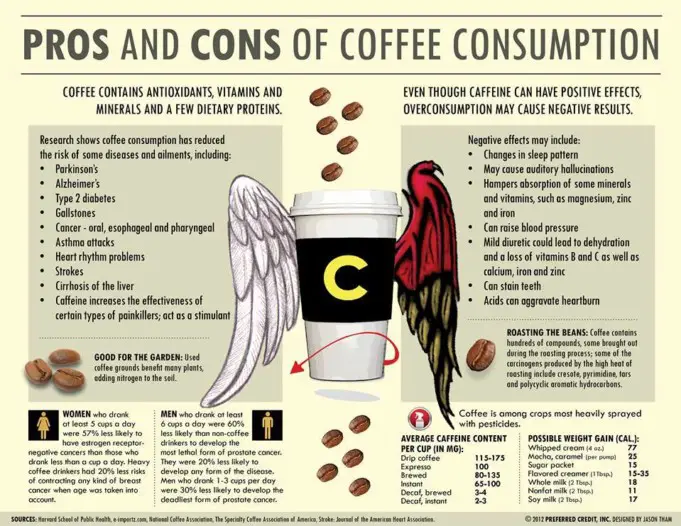
The question is: How can you neutralize the impact of caffeine and ensure a peaceful, restful sleep, even after you’ve had your favorite cup of coffee or tea late in the day?
There are several ways to reduce the negative effects of caffeine, without resorting to staying up late to work off the energy boost or enduring sleepless nights. The following methods will help you restore calmness, detoxify your system, and ensure that the stimulating effects of caffeine don’t ruin your sleep quality.
1. Drink Plenty of Water to Flush Caffeine from Your System
Caffeine is processed by the liver, and it can take several hours for your body to break it down. The best way to help speed up this process and flush caffeine from your body is to drink plenty of water. Water is an essential part of the detoxification process and can help you neutralize caffeine’s stimulating effects more quickly.
When you drink water, you support your body in flushing out toxins—including caffeine—through urine. To speed up the detoxification process, aim to drink at least one gallon of water per day. This will help your body neutralize caffeine’s effects, reduce dehydration (which is often caused by the diuretic effect of caffeine), and promote overall health. Staying hydrated can also reduce the likelihood of experiencing headaches and other discomforts commonly associated with caffeine consumption.
2. Exercise to Boost Metabolism and Detoxify Faster
If you’ve consumed a caffeinated drink and find yourself feeling restless and wide awake, the best way to combat its effects is to get moving. Rather than heading straight to bed, try engaging in light to moderate exercise to help burn off the extra energy that caffeine has provided.
Exercise increases your metabolic rate and accelerates the breakdown of caffeine in your system. Even a brisk walk, a short jog, or a quick workout at the gym can help you reduce the stimulating effects of caffeine and allow your body to relax. Physical activity can also reduce stress and promote the release of endorphins, which are natural mood boosters that can help you wind down and feel calm.
3. Apply a Caffeine Detox Formula
If you find yourself regularly consuming too much caffeine and experiencing sleep disturbances as a result, it might be time to consider a caffeine detox formula. Many detox formulas are designed to help individuals who are addicted to caffeine or who regularly consume caffeinated foods and beverages, such as coffee, tea, chocolate, and even wine.
Caffeine detox formulas work by providing your body with natural ingredients that help detoxify and reset your system. These formulas may include herbal extracts and natural compounds that support your liver and digestive system in breaking down and neutralizing caffeine.
In addition to detoxifying, these formulas can help reduce the desire to consume more caffeine, replacing it with healthier habits. For example, consuming foods rich in potassium and calcium, such as bananas and leafy greens, can help you relax and soothe any tension in your body.
4. Ingest Natural Supplements Made from Fruits and Herbs
Another effective way to eliminate the effects of caffeine is by ingesting natural supplements that promote relaxation. Supplements derived from fruits, herbs, and flowers can work wonders in calming your nervous system and counteracting the overstimulation caused by caffeine.
Some popular natural supplements that can help counteract caffeine’s effects include:
- Magnesium supplements, which help calm the nervous system and promote muscle relaxation.
- Valerian root, which is known for its calming properties and ability to improve sleep quality.
- Lemon balm and chamomile, both of which help reduce anxiety and improve sleep quality.
Taking these supplements before bed can help neutralize the overstimulating effects of caffeine and prepare your body for a restful night’s sleep. Many of these supplements are available in pill, capsule, or tea form, making them easy to incorporate into your nightly routine.
5. Use Sleep Aids (with Caution)
In some cases, if caffeine has left you feeling too wired to sleep, you might consider using sleeping pills as a short-term solution. While sleeping pills can help induce sleep by calming your mind and body, they should only be used with caution. Overuse of sleeping pills can lead to dependency and potential health risks.
If you are considering using sleeping pills to combat the effects of caffeine, it is crucial to visit a doctor first to obtain the right prescription. A healthcare provider can recommend the most suitable sleeping aids for your needs, ensuring they are safe and effective. Be sure to follow the prescribed dosage and avoid mixing sleep aids with alcohol or other medications.
Remember, sleeping pills should only be a temporary solution, and they should never be relied upon as a regular sleep aid. It’s always better to address the root cause of your insomnia (such as caffeine consumption) and work toward building a healthier sleep routine.
6. Create a Calming Bedtime Routine to Counteract Caffeine
Even after consuming caffeine, you can prepare your body for sleep by developing a calming bedtime routine. This routine should include activities that signal to your body that it’s time to relax and wind down.
Some effective bedtime relaxation techniques include:
- Reading a book (preferably not on a screen) to help calm your mind.
- Taking a warm bath or shower, which can lower your body temperature and promote sleepiness.
- Practicing meditation or deep breathing exercises to reduce anxiety and promote relaxation.
- Listening to soothing music or nature sounds to calm the nervous system.
By making relaxation a priority, you signal to your brain that it’s time to shift from alertness to restfulness.
7. Gradually Reduce Caffeine Intake
If you find that caffeine consistently interferes with your sleep, the most effective long-term solution is to gradually reduce your intake of caffeinated beverages. Cutting down on caffeine over time allows your body to adjust and reduces your dependency on it. Aim to reduce your caffeine consumption by cutting back by half each day, and consider replacing caffeinated beverages with herbal teas or water.
It’s also important to be mindful of the times you consume caffeine. Try to avoid drinking coffee, tea, or other caffeinated drinks after the early afternoon. This will help ensure that the caffeine has enough time to be metabolized before it interferes with your sleep.
Conclusion: Reclaim Your Sleep, Free from Caffeine’s Disruptive Effects
Caffeine can be a powerful stimulant, but when consumed at the wrong time, it can disrupt your sleep and leave you feeling restless and exhausted. Fortunately, there are several ways to neutralize the effects of caffeine and restore your body’s ability to sleep soundly.
By drinking plenty of water, exercising, using caffeine detox formulas, ingesting natural supplements, and developing a calming bedtime routine, you can mitigate the impact of caffeine and improve your sleep quality. While sleeping pills may offer temporary relief, they should be used sparingly and under medical supervision. Ultimately, the best approach is to gradually reduce your caffeine intake to regain control over your sleep cycle and improve your overall health.