Cavities are one of the most common dental issues children face, but they are also highly preventable. As a parent, it’s crucial to understand the best practices for preventing cavities in your child’s teeth, ensuring they maintain a healthy smile for years to come. In this comprehensive guide, we’ll explore proven strategies and tips for cavity prevention, along with ways to promote good oral hygiene from an early age.
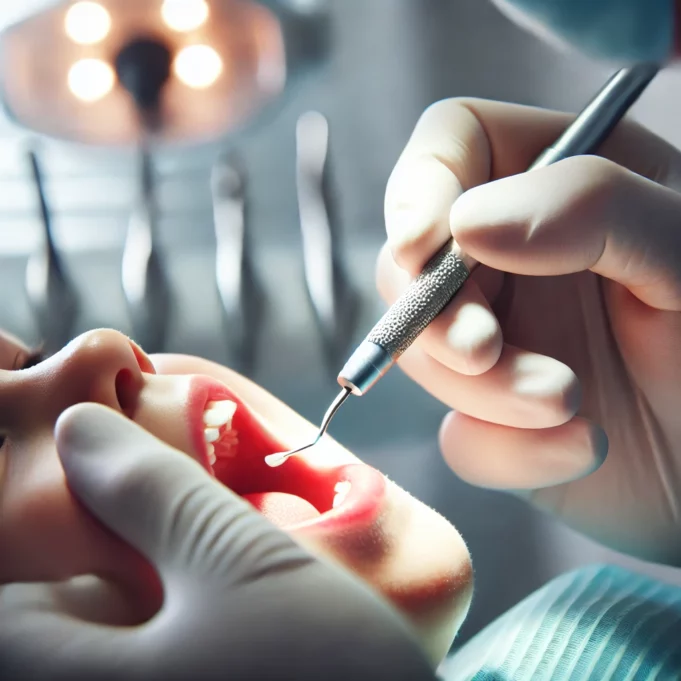
Why Cavities Are a Concern for Children
Cavities, also known as dental caries, occur when tooth decay is caused by harmful bacteria in the mouth. These bacteria feed on sugars and starches in food, producing acids that attack the enamel of teeth. Over time, this leads to the formation of cavities. Children are particularly susceptible to cavities for several reasons:
- Frequent Consumption of Sugary Foods and Drinks – Children often consume sugary snacks, juices, and sodas, all of which contribute to the buildup of bacteria that cause tooth decay.
- Difficulty Maintaining Consistent Oral Hygiene Habits – Young children may struggle with brushing their teeth properly, making it easier for plaque to accumulate and lead to cavities.
- Weaker Enamel in Baby Teeth – Baby teeth are not as strong as adult teeth and are more vulnerable to decay.
Fortunately, there are several preventive measures parents can take to significantly reduce the risk of cavities and ensure their child’s teeth remain healthy. By focusing on the following best practices, parents can establish a strong foundation for good oral health.
Best Practices for Preventing Cavities in Children
1. Establish a Consistent Brushing Routine
One of the most important steps in cavity prevention is ensuring that your child brushes their teeth properly and consistently.
- Brush Twice a Day – Encourage your child to brush their teeth in the morning and before bed. This habit ensures that harmful bacteria and plaque are removed from the teeth.
- Use Fluoride Toothpaste – Fluoride is a powerful agent that helps strengthen tooth enamel and protect against decay. Make sure your child uses a fluoride toothpaste that’s safe for their age.
- Supervise Brushing – Until your child is old enough to brush their teeth independently (usually around age 6 or 7), it’s important to supervise them. This ensures that the brushing is thorough and effective.
2. Limit Sugary Snacks and Drinks
Sugar is a major contributor to cavity formation. Bacteria in the mouth feed on sugars and produce acids that attack teeth. Reducing sugar intake is one of the most effective ways to prevent cavities.
- Avoid Sugary Beverages – Soda, fruit juices, and other sugary drinks can contribute to tooth decay. Offer water or milk as healthier alternatives.
- Provide Healthy Snacks – Encourage your child to eat fruits, vegetables, and nuts instead of sugary snacks and candy. These foods are better for their overall health and will help protect their teeth.
- Limit Snacking – Constant snacking increases the amount of time that food and sugar stay on the teeth, giving bacteria more time to thrive. Try to limit your child’s snacking to prevent this issue.
3. Regular Dental Checkups
Routine visits to the dentist are essential for maintaining your child’s oral health. Regular dental exams allow pediatric dentists to detect cavities early and provide preventive treatments that protect your child’s teeth.
- Visit a Pediatric Dentist – Take your child to a pediatric dentist who specializes in children’s dental care. Pediatric dentists have the training and experience to address the unique needs of young patients.
- Fluoride Treatments – Your child’s pediatric dentist may recommend fluoride treatments to strengthen the enamel of their teeth, making them more resistant to decay.
- Early Detection – Regular checkups help spot potential issues, such as cavities or early signs of gum disease, before they become more serious problems.
4. Teach Proper Flossing Techniques
Flossing is just as important as brushing when it comes to cavity prevention. As children’s teeth grow closer together, food particles and plaque can become trapped between them, leading to cavities.
- Start Flossing Early – Begin flossing your child’s teeth as soon as their teeth start touching. You can use floss picks to make the process easier.
- Supervise Flossing – Until your child is capable of flossing independently (usually around age 10), make sure you supervise the process to ensure it’s done properly.
5. Sealants for Extra Protection
Dental sealants are a preventive treatment that can protect your child’s teeth from cavities. These thin plastic coatings are applied to the chewing surfaces of the molars, acting as a barrier to keep food particles and bacteria from settling into the grooves of the teeth.
- Ask Your Pediatric Dentist About Sealants – Speak with your pediatric dentist at the Kakar Pediatric Center about the benefits of dental sealants for your child. Sealants are an effective way to prevent cavities in the back teeth, where decay is most likely to occur.
Additional Tips for Promoting Oral Health
While brushing, flossing, and limiting sugary snacks are the foundation of cavity prevention, there are additional practices that can further promote good oral health:
- Encourage Drinking Water – Water helps rinse away food particles and bacteria from the teeth, reducing the risk of cavities.
- Educate Your Child – Teach your child the importance of maintaining good oral hygiene and the role it plays in keeping their teeth healthy.
- Avoid Bedtime Bottles – If your child uses a bottle, try to avoid putting sugary drinks or milk in it, especially at bedtime. The sugars can stay on their teeth for a prolonged period while they sleep, increasing the risk of cavities.
Conclusion
Preventing cavities in children requires consistent care and attention. By following the best practices outlined in this guide, you can significantly reduce the risk of cavities and help ensure that your child enjoys healthy, strong teeth for years to come.
If you’re looking for expert guidance and preventive care, consider visiting a pediatric dentist in Falls Church, such as those at the Kakar Pediatric Center. These specialists provide top-quality care, including routine checkups, fluoride treatments, and sealants to protect your child’s teeth from decay.
Start practicing these preventive measures today, and give your child the gift of a lifetime of healthy teeth!