Data science has rapidly emerged as a transformative force in healthcare, altering the ways we diagnose, treat, and prevent diseases. Leveraging powerful tools like predictive analytics, artificial intelligence (AI), and big data, healthcare providers are now able to deliver faster, more precise, and personalized care. Cloud-based platforms like Studycast are leading this revolution by integrating cutting-edge technologies into medical workflows, ensuring smoother operations and better clinical decision-making. In this article, we will dive into how data science is reshaping healthcare and exploring its future potential.
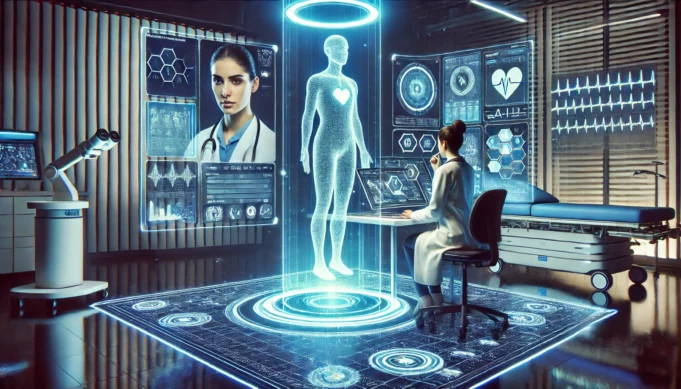
Predictive Analytics: From Guesswork to Data-Driven Insight
One of the most groundbreaking innovations in healthcare is the application of predictive analytics. By harnessing historical and real-time data, predictive analytics enables healthcare professionals to forecast potential outcomes, shifting the focus from reactive to proactive care. The predictive models that analyze patient data can pinpoint individuals at high risk of developing certain conditions, enabling timely interventions and possibly saving lives.
For example, predictive analytics models are used to predict the likelihood of a patient being readmitted to the hospital within 30 days after discharge. Identifying high-risk patients beforehand allows healthcare systems to implement targeted care plans that reduce readmission rates and improve overall patient health while simultaneously cutting costs. In chronic disease management, predictive analytics can forecast potential emergencies for patients with conditions like diabetes, heart disease, or asthma, allowing doctors to take preventative action.
The global COVID-19 pandemic also highlighted the immense value of predictive analytics. By analyzing trends in infection rates, healthcare workers and public health officials were able to anticipate the need for critical resources such as ICU beds, ventilators, and vaccines. This proactive approach helped mitigate the healthcare system’s overload, saving lives and improving the overall management of the crisis.
Personalized Medicine: Tailoring Treatments for Better Outcomes
Gone are the days of the “one-size-fits-all” approach to healthcare. With data science at its core, the medical community is increasingly turning towards personalized medicine. This innovative approach tailors treatments and care plans based on an individual’s unique genetic makeup, health data, and lifestyle, offering better outcomes and fewer side effects.
In cancer treatment, for example, oncologists can analyze a patient’s genetic profile and select therapies that are most likely to be effective, rather than relying on standard treatment protocols. This personalization, powered by machine learning and advanced DNA sequencing, has revolutionized cancer treatment by identifying mutations that respond to specific drugs, making therapies far more targeted and effective.
The rise of wearable technology has also played a pivotal role in personalized medicine. Devices like smartwatches and fitness trackers collect continuous data on an individual’s heart rate, sleep patterns, physical activity, and stress levels. Healthcare providers can now use this data to offer personalized recommendations or detect early signs of health issues, from irregular heart rhythms to sleep apnea. This constant stream of data strengthens the doctor-patient relationship and allows for real-time, proactive health management.
Operational Efficiency: Streamlining Healthcare Systems with Data
Data science isn’t only transforming patient care but also the operational side of healthcare. Managing a healthcare facility involves complex logistics, including staffing, scheduling, and supply chain management. With the power of data science, healthcare administrators can optimize these operations, ensuring more efficient resource use.
For instance, in busy emergency rooms (ERs), AI can predict patient inflow patterns by analyzing historical data, helping hospitals adjust staffing levels accordingly. This reduces patient wait times and ensures timely care during peak periods. Similarly, predictive analytics is being used to manage medical inventories. By tracking supply levels and predicting future demands, hospitals can prevent shortages of critical supplies like medications, surgical instruments, and even blood for transfusions. This proactive approach not only enhances patient care but also saves hospitals significant money by minimizing waste and ensuring resources are used optimally.
Disease Prevention and Public Health: Shaping the Future of Healthcare
Preventing disease before it starts is one of the ultimate goals of healthcare, and data science plays a critical role in achieving this. By analyzing vast amounts of data, public health officials can identify trends in disease outbreaks and create effective prevention strategies.
For example, data scientists use wearable devices, social media, and search engine trends to track the spread of diseases like the flu in real-time. This allows health agencies to pinpoint regions most at risk and allocate resources, such as vaccines, before the disease spreads uncontrollably. Additionally, big data is essential in promoting health equity by identifying underserved communities with limited access to medical care, helping governments and NGOs improve access to health services such as vaccinations and screenings.
At a global level, data science is also transforming the fight against infectious diseases. By using machine learning and predictive modeling, organizations like the World Health Organization (WHO) can predict the outbreak of diseases such as malaria and Ebola in remote regions. These forecasts allow governments and aid organizations to intervene early, dispatching healthcare workers or medical supplies, preventing large-scale epidemics, and saving countless lives.
AI Diagnostics: Enhancing Healthcare with Smarter Tools
Artificial Intelligence (AI) is a key player in the ongoing healthcare revolution. By utilizing machine learning algorithms, AI is improving diagnostics, enabling doctors to detect conditions faster and more accurately than ever before. AI-powered tools are now capable of analyzing medical images such as X-rays, CT scans, and MRIs with high precision, identifying abnormalities such as tumors, fractures, and even early stages of Alzheimer’s disease.
One notable application of AI in healthcare is in eye care. AI algorithms have been trained to analyze retinal images to detect diabetic retinopathy, a leading cause of blindness among diabetics. These AI tools can diagnose the condition more accurately and more quickly than human specialists, especially in underserved or rural areas where access to eye doctors is limited. This democratizes care, bringing high-quality diagnostics to places that need it most.
AI-powered chatbots are also improving the patient experience by answering medical questions, providing basic advice, and scheduling appointments, thus enhancing accessibility and freeing up time for healthcare staff. While these tools can’t replace doctors, they help reduce wait times and ensure patients receive timely assistance.
The Future of Data Science in Healthcare
The future of data science in healthcare looks incredibly promising. With the continued advancements in artificial intelligence, machine learning, and big data, the healthcare industry will only become more personalized, efficient, and proactive in delivering care. Predictive analytics will allow for earlier interventions, reducing hospital readmission rates and improving chronic disease management. Personalized treatments will ensure that patients receive the right therapies based on their individual genetic profiles, while AI will continue to enhance diagnostics, making healthcare more accessible and accurate.
Conclusion
Data science is at the forefront of healthcare transformation. By harnessing the power of predictive analytics, personalized medicine, and AI diagnostics, the healthcare industry is becoming more efficient, accurate, and patient-centric. From improving patient outcomes to streamlining operational processes, the role of data science in healthcare is undeniable. As these technologies continue to evolve, the future of healthcare will be increasingly shaped by data, offering more effective solutions for disease prevention, diagnosis, and treatment.