Sodium levels in the blood play a critical role in maintaining various bodily functions. Yet, the topic of sodium, particularly low sodium, is often misunderstood. Many people are unaware of how significant a balanced sodium level is for overall health. Understanding low sodium levels, or hyponatremia, is essential to prevent potential health risks. In this article, we will explore the causes of low sodium levels, the symptoms associated with it, and what steps you can take to restore the balance of sodium in your body.
What Is Low Sodium?
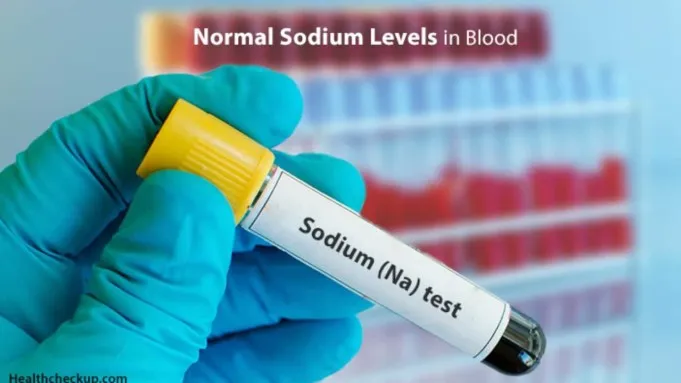
Low sodium, or hyponatremia, occurs when the sodium level in the blood drops below the normal range of 135 milliequivalents per liter (mEq/L). Sodium is a vital electrolyte that helps regulate fluid balance, blood pressure, and the function of muscles and nerves. When sodium levels drop too low, it can disturb the balance of fluids in and outside of cells, leading to various health problems.
Hyponatremia is not always immediately obvious, and its symptoms can be subtle, making it difficult to detect in the early stages. However, maintaining the correct sodium level is crucial for normal bodily functions.
Causes of Low Sodium Levels
Several factors can contribute to a low sodium level in the body. Hyponatremia is often the result of an underlying health condition or lifestyle factors. Here are the most common causes:
- Heart Failure: In this condition, the heart struggles to pump blood efficiently, which can affect fluid balance in the body, leading to lower sodium levels.
- Excessive Sweating: Profuse sweating due to exercise or hot weather can cause the body to lose both water and sodium, resulting in a sodium imbalance.
- Nausea and Vomiting: Frequent vomiting can deplete sodium levels, as the body loses both fluids and electrolytes during episodes of nausea.
- Kidney Diseases: Various kidney-related diseases, including kidney failure, can interfere with the body’s ability to regulate sodium and water balance effectively.
- Diarrhea: Like vomiting, diarrhea leads to a loss of fluids and electrolytes, which can deplete sodium levels in the body.
- Overconsumption of Water During Exercise: While staying hydrated is important, drinking excessive amounts of water without replenishing sodium levels can lead to a dangerous drop in sodium levels.
- Diuretics: Some medications, especially diuretics, also known as “water pills,” can lead to sodium depletion by increasing urine output, which flushes out both water and sodium.
- Liver Disease: Liver conditions, such as cirrhosis, can interfere with the body’s fluid balance and contribute to low sodium levels.
- Cushing’s Syndrome: This hormonal disorder, caused by excessive cortisol production, can cause sodium retention issues, contributing to imbalanced sodium levels.
- Diabetes Insipidus: A rare condition in which the body produces large amounts of urine, leading to dehydration and, in turn, lower sodium levels.
- Underactive Thyroid (Hypothyroidism): Low thyroid function can impair the kidneys’ ability to regulate sodium, leading to a deficiency in the electrolyte.
Symptoms of Low Sodium Levels
When sodium levels drop too low, the body starts to show signs of imbalance. The symptoms of low sodium can range from mild to severe and may include:
- Frequent Vomiting: One of the first signs of hyponatremia is recurrent vomiting, as the body attempts to correct the fluid imbalance caused by low sodium levels.
- Chronic Nausea: Along with vomiting, nausea is a common symptom of low sodium, leaving individuals feeling unwell and weak.
- Low Energy: A decrease in sodium levels can lead to extreme fatigue and lethargy, making it difficult to perform daily tasks.
- Muscle Weakness: Weakness in muscles often occurs due to an electrolyte imbalance, especially as sodium helps regulate muscle function. Low sodium levels can cause cramping and lack of strength.
- Irritability and Confusion: People with hyponatremia may feel disoriented, confused, or even agitated, as low sodium levels impact brain function. This mental fog can interfere with decision-making and clear thinking.
- Seizures: In extreme cases, when sodium levels dip dangerously low, seizures may occur due to the brain’s inability to function properly without enough sodium.
- Coma: In the most severe cases of hyponatremia, the individual may slip into a coma. This is a medical emergency that requires immediate attention to restore sodium balance.
How to Increase Sodium Levels in the Body
If you or someone you know is experiencing symptoms of low sodium levels, it is crucial to take action promptly to restore balance. Here are several steps that can help increase sodium levels in the blood:
- Reduce Water Intake: In cases of hyponatremia, excess water consumption can dilute sodium levels in the body. Reducing the amount of water you drink can help restore the sodium-to-water balance.
- Sodium-Rich Drinks: Drinking beverages that contain sodium, such as sports drinks or electrolyte solutions, can help replenish the body’s sodium levels. This is especially helpful during or after exercise.
- Reduce Diuretic Use: If you are taking diuretics, discuss with your doctor about reducing or changing your medication. Diuretics increase urine output, causing sodium to be flushed out of the body.
- Sodium Injections: In severe cases of hyponatremia, a healthcare professional may administer sodium intravenously. This method is closely monitored to avoid rapid shifts in sodium levels that could cause complications.
- Increase Salt Intake: While this may seem counterintuitive, increasing salt intake can be an effective way to restore sodium levels. Adding salt to your meals (such as salads, vegetables, or fruits) can help replenish sodium levels in your body. However, consult with your doctor before making this change.
- Monitor Sodium Levels: It is important to regularly monitor sodium levels if you have a condition that predisposes you to hyponatremia, such as kidney disease, heart failure, or thyroid problems.
Conclusion
Low sodium levels in the blood can lead to a variety of serious health issues, from nausea and vomiting to seizures and coma. Hyponatremia can arise due to numerous causes, including excessive water intake, underlying health conditions, and the use of diuretics. Understanding the symptoms of low sodium and taking proactive steps to restore balance can help prevent severe consequences. Maintaining a proper sodium balance is essential for healthy fluid regulation, blood pressure stabilization, and overall well-being. Always consult a healthcare provider before making significant changes to your diet or medication, and ensure your sodium levels are properly monitored.