Skin rashes are one of the most common dermatological problems affecting millions of people worldwide. This condition causes visible changes in the skin’s appearance, such as discoloration, bumps, and inflammation. Skin rashes can appear anywhere on the body and may vary from mild irritation to severe conditions that cause significant discomfort.
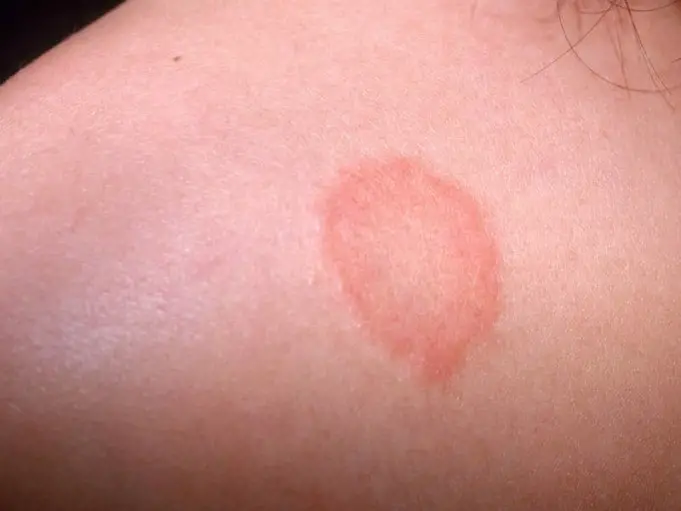
What Are Skin Rashes?
A skin rash refers to any change in the skin’s appearance, typically involving redness, swelling, or the development of bumps. Skin rashes are caused by a variety of factors, including allergies, infections, and skin diseases. They can appear on one small part of the body or cover a large area. Rashes are often itchy, irritating, and sometimes painful, causing anxiety and discomfort.
Signs and Symptoms of Skin Rashes
The signs and symptoms of a skin rash include:
- Discolored Skin: Rashes often cause red, pink, or purple patches.
- Raised Bumps: Bumps or lumps that are either itchy or tender.
- Scaly or Flaky Skin: Patches of skin that flake or peel.
- Blotches and Pus-filled Crusts: Red blotches and crusty areas filled with pus may indicate infection.
- Inflammation: Swollen areas that are tender to touch.
- Itching: Itchy rashes are common and can be unbearable at times.
Common Causes of Skin Rashes
Skin rashes have numerous causes, ranging from harmless allergies to serious underlying medical conditions. Some of the most common causes include:
- Insect Bites: Mosquito bites, flea bites, or bedbug bites can lead to localized rashes.
- Allergies: Food, dust, and pollen can trigger allergic reactions that cause skin rashes.
- Chemicals in Skincare Products: Harsh chemicals in soaps, lotions, or cosmetics can irritate the skin.
- Skin Infections: Bacterial, viral, or fungal infections such as chickenpox, ringworm, or shingles cause rashes.
- Underlying Health Conditions: Conditions like eczema, psoriasis, or autoimmune disorders often result in rashes.
- Diaper Rash: Common in babies, caused by prolonged contact with wet diapers.
- Drug Allergies: Certain medications can lead to allergic reactions manifesting as rashes.
Types of Skin Rashes
Rashes are generally categorized into two main types:
- Infectious Rashes: These rashes are contagious and can spread through direct contact or bodily fluids. Examples include chickenpox, herpes, impetigo, and scabies.
- Non-Infectious Rashes: These rashes do not spread between people. Examples include eczema, psoriasis, hives, contact dermatitis, and drug eruptions.
Potent Home Remedies for Skin Rashes
There are several effective home remedies for treating skin rashes. These natural treatments help reduce inflammation, soothe irritated skin, and speed up healing:
1. Bentonite Clay
Bentonite clay is a natural remedy that helps expel toxins and calm inflamed skin. Apply it to the affected area, leave it on for 2 hours, and rinse it off with warm water.
2. Onion Juice
Onion juice, rich in quercetin, has antimicrobial and anti-inflammatory properties. Apply the juice to the rash and leave it for 30 minutes before washing it off. For sensitive skin, mix it with olive oil.
3. Eucalyptus Oil
Eucalyptus oil has cooling and anti-inflammatory effects. Mix it with coconut or jojoba oil and apply it to the rash before bed.
4. Carrot Juice
Carrots are rich in Vitamin A, which promotes skin health. Drinking carrot juice regularly can improve skin conditions, including rashes.
5. Apple Cider Vinegar
Apple cider vinegar, with its acetic acid content, has antimicrobial properties that prevent infections and calm rashes. Apply raw ACV to the rash using a cotton ball for 10 minutes before rinsing.
6. Mint Leaves
Fresh mint leaves can reduce swelling, itching, and inflammation. Crush the leaves and apply the paste to the rash for 30 minutes before rinsing off.
7. Coconut Oil
Coconut oil has anti-inflammatory properties that help prevent rashes from spreading. Apply it directly to the rash and leave it on throughout the day.
8. Stinging Nettle
Stinging nettle has natural antihistamine properties that can relieve skin allergies. Boil fresh nettle leaves to make tea and drink it daily.
9. Olive Oil
Extra-virgin olive oil is a great moisturizer that promotes healing and reduces inflammation. Apply it to the rash and leave it on without rinsing.
10. Witch Hazel
Witch hazel is a natural astringent that treats skin rashes, eczema, and psoriasis. Apply it to the rash using a cotton ball and leave it on for a few minutes before washing it off.
11. Epsom Salt
Epsom salt helps reduce inflammation and itching. Add it to your bathwater and soak for at least 30 minutes for relief.
12. Holy Basil
Holy basil is an ancient remedy for skin problems. Crush basil leaves and mix with garlic, salt, and pepper. Apply this paste to the rash for 30 minutes before rinsing.
13. Chamomile
Chamomile tea and chamomile essential oil have soothing properties. Use chamomile tea or diluted essential oil to relieve pain, itching, and inflammation.
14. Poppy Seeds
Poppy seeds, when crushed and mixed with lemon juice, create a paste that helps dry up rashes and soothe irritation.
15. Castor Oil
Castor oil’s active compound, ricinoleic acid, helps reduce inflammation and itchiness. Apply it directly to the rash and leave it on for 30 minutes before washing it off.
16. Cocoa Butter
Cocoa butter helps restore skin elasticity and fights inflammation. Apply pure cocoa butter to the rash and massage it into the skin for relief.
17. Breast Milk
Breast milk is naturally hydrating and soothing. Apply it directly to the rash for rapid healing.
18. Neem
Neem leaves are packed with antioxidants and healing compounds. Boil neem leaves and use the tea to treat rashes. Apply the paste directly for faster results.
19. Hydrogen Peroxide
Hydrogen peroxide helps disinfect rashes caused by infection. Use 3% hydrogen peroxide and apply it to the affected area with a cotton ball.
20. Baking Soda
Baking soda dries out rashes and reduces itching. Mix it with water to create a paste and apply it to the rash for 10 minutes before rinsing off.
21. Manuka Honey
Manuka honey has antimicrobial properties that reduce inflammation and promote skin healing. Mix it with olive oil and apply to the rash for 1 hour before washing off.
22. Calendula
Calendula oil or infused olive oil helps soothe skin irritations. Apply it to the rash or add it to your bath for relief.
23. Green Tea
Green tea is rich in polyphenols that help fight microbial infections. Apply cooled green tea to the rash or drink it to boost healing.
24. Aloe Vera
Aloe vera gel is one of the most effective remedies for skin rashes. Apply fresh aloe vera gel to the rash for immediate relief from itching and inflammation.
25. Lemon Juice
Lemon juice, with its antibacterial properties, can help fight rashes caused by infections. Apply it to the rash using a cotton ball and leave it for 20–30 minutes before washing off.
26. Coriander
Coriander, known for its antiseptic properties, can help treat rashes. Apply crushed coriander leaves to the affected skin or drink fresh coriander juice to treat the rash internally.
27. Egg Whites
Egg whites help form a protective layer on the skin, especially useful for diaper rashes. Apply it to the affected area in layers for quick relief.
28. Oatmeal
Oatmeal baths are an effective way to soothe rashes caused by sunburn, poison ivy, or allergies. Add ground oatmeal to your bathwater for relief.
29. Garlic
Garlic has anti-inflammatory properties and helps dry out rashes. Crush fresh garlic cloves and apply them to the rash, leaving them for 30 minutes before rinsing off.
30. Tea Tree Oil
Tea tree oil’s antimicrobial properties make it effective in treating skin rashes caused by infections. Dilute it with coconut oil and apply to the affected area.
31. Ginger
Gingerol, found in ginger, helps relieve inflammation and infections. Boil ginger and apply the tea or paste to the rash for relief.
32. Cold Compress
Cold compresses help soothe itching and inflammation caused by rashes. Apply cold compresses for 10 minutes several times a day to reduce swelling and discomfort.
33. Grapefruit Seed Extract
Grapefruit seed extract has antimicrobial properties that treat infectious rashes. Apply it directly to the rash for quick results.
34. Lavender Essential Oil
Lavender oil reduces itching, inflammation, and promotes healing. Apply a few drops of diluted lavender oil to the rash for soothing effects.
35. Turmeric
Turmeric’s active compound, curcumin, has strong anti-inflammatory and antimicrobial properties. Make a paste using turmeric powder and apply it to the rash for relief.
36. Cucumber
Cucumber has cooling properties that reduce swelling and irritation. Apply fresh cucumber slices to the rash for 15–20 minutes.
37. Aloe Vera and Tea Tree Oil
Combining aloe vera and tea tree oil offers a powerful remedy for rashes caused by infections or irritations. Apply this combination daily to the affected area.